
Staying on top of Healthy Living Updates has never been more important than it is today. With rising rates of obesity, chronic fatigue, and lifestyle-related diseases, more people are actively searching for practical, science-backed guidance on how to eat better, move more, and manage their weight effectively. Whether you’re just beginning your wellness journey or looking to refine your existing habits, keeping up with the latest healthy living updates gives you the edge you need to make smarter, more informed decisions every single day.
Why healthy living updates matter more than ever in 2025

The wellness landscape is evolving at a rapid pace. New research, emerging nutritional science, and shifting public health priorities mean that what was considered “healthy” just a few years ago may no longer be the best approach. Staying current with healthy living updates allows individuals to adapt their routines based on evidence rather than outdated advice. From intermittent fasting protocols to microbiome-friendly diets, the science of weight management and general wellness is constantly being refined by researchers and clinicians worldwide.
One of the most significant shifts in recent years has been the growing emphasis on holistic health — the idea that physical wellness, mental clarity, sleep quality, and nutritional balance are deeply interconnected. Modern healthy living updates reflect this integrated approach, moving beyond simple calorie-counting to address hormonal balance, gut health, inflammation management, and sustainable lifestyle design. For anyone serious about long-term weight loss or body composition improvement, this broader perspective is not just helpful — it’s essential.
The role of nutrition in modern wellness
Nutrition remains the cornerstone of any effective healthy living strategy. Current research consistently highlights the importance of whole foods, lean proteins, fiber-rich vegetables, and healthy fats in supporting metabolic function and satiety. Reducing ultra-processed food consumption and prioritizing nutrient density over caloric restriction has become a dominant theme in today’s healthy living updates, supported by extensive clinical evidence.
Physical activity trends reshaping weight management
Movement science has advanced considerably, with studies showing that short, high-intensity sessions can be just as effective as longer moderate workouts for fat loss. Resistance training, in particular, has gained significant attention in healthy living updates for its role in preserving lean muscle mass during caloric deficits — a critical factor for sustainable, long-term weight management and metabolic health improvement.
Mental wellness as a weight loss catalyst
Chronic stress elevates cortisol levels, which directly promotes fat storage — particularly around the abdominal area. Mindfulness practices, adequate sleep hygiene, and stress management techniques have become integral components of comprehensive healthy living updates. Addressing psychological barriers to healthy behavior change is now recognized as a fundamental step in any successful weight loss program.
Key healthy living updates: what the latest research reveals

Science-backed insights are transforming how we approach weight loss and daily wellness. The following table summarizes some of the most impactful healthy living updates from recent research, offering a clear snapshot of what’s working and why. These findings come from peer-reviewed studies and are increasingly being incorporated into mainstream nutrition and fitness guidance across the globe.
| Health Area | Latest Finding | Practical Application |
|---|---|---|
| Protein intake | Higher protein diets (1.6–2.2g/kg) preserve muscle during weight loss | Include lean protein at every meal |
| Sleep quality | Poor sleep increases ghrelin and reduces leptin, driving overeating | Aim for 7–9 hours of consistent sleep |
| Gut microbiome | Diverse gut bacteria linked to healthier body weight and metabolism | Eat fermented foods and prebiotic fiber daily |
| Hydration | Drinking 500ml water before meals reduces caloric intake by ~13% | Pre-meal hydration as a weight management tool |
| Meal timing | Earlier eating windows align better with circadian metabolism | Front-load calories earlier in the day |
| Resistance training | 2–3 sessions per week significantly improves resting metabolic rate | Incorporate strength work alongside cardio |
Xem thêm: Nutrition Industry News
Healthy living updates and the rise of structured nutrition programs
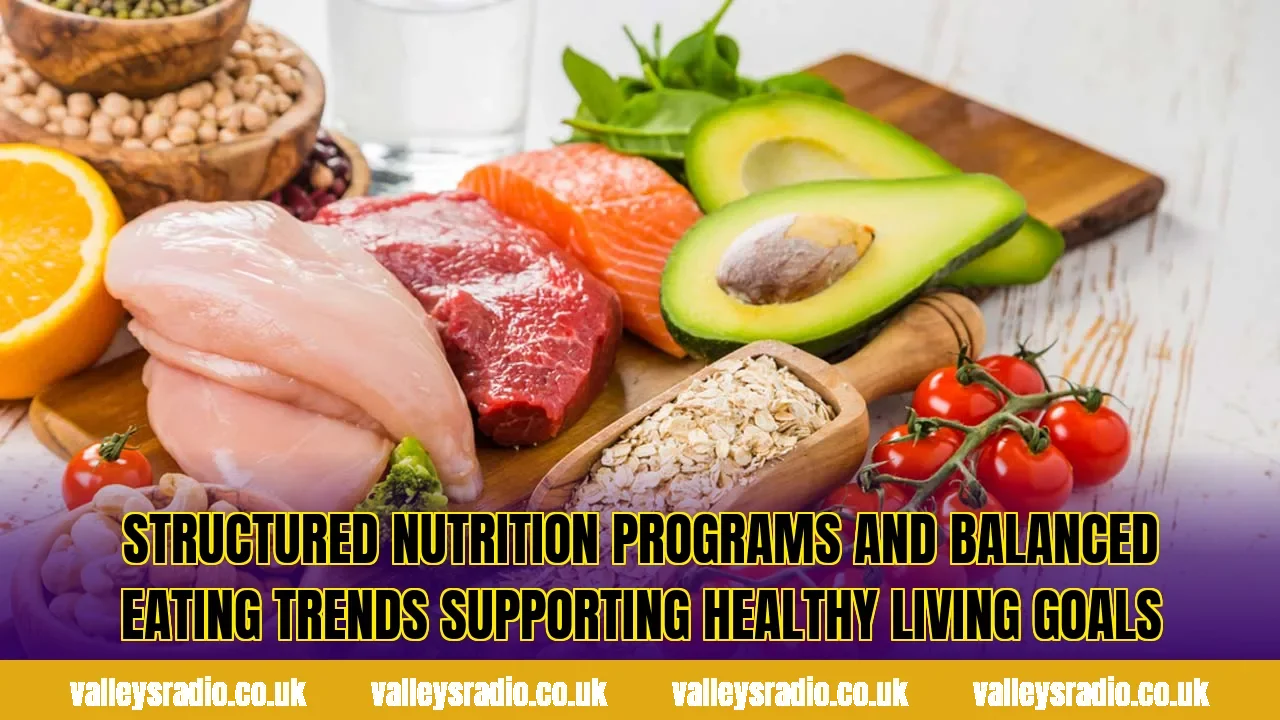
As awareness grows around the complexity of weight management, more people are turning to structured nutrition programs for accountability, guidance, and measurable results. The proliferation of meal replacement systems, protein-enriched supplements, and coaching-based wellness platforms reflects a broader cultural shift captured in today’s healthy living updates. These programs work best when they combine nutritional science with behavioral support and community engagement — three elements that significantly improve adherence and long-term outcomes.
Among the most discussed topics in current healthy living updates is the effectiveness of meal replacement strategies for weight loss. Clinical studies have shown that replacing one or two meals per day with nutritionally complete shakes or bars can accelerate fat loss while preserving muscle mass, particularly when protein content is high and calories are controlled. This approach has gained traction not just among fitness enthusiasts but also among healthcare professionals who recommend it as a practical entry point for patients beginning their weight loss journey. For a broader view of how these trends are developing globally, following reliable News sources in the health and nutrition space is highly recommended.
Protein meal replacements and metabolic benefits
High-protein meal replacements have emerged as a standout topic in healthy living updates because of their dual benefit: they support satiety while preserving lean body mass. When combined with resistance training, protein-rich meal plans can help individuals lose fat more efficiently than calorie restriction alone, making them a compelling option for those with specific body composition goals and limited time for meal preparation.
The importance of micronutrient completeness
One concern with calorie-restricted diets is the risk of micronutrient deficiency. Quality nutrition programs featured in healthy living updates address this by ensuring that meal replacements and supplement stacks deliver adequate vitamins, minerals, and antioxidants. Nutrient completeness is not just about preventing deficiency — it actively supports energy metabolism, immune function, and hormonal regulation throughout the weight loss process.
Community support and behavioral accountability
Research consistently shows that social support dramatically improves weight loss outcomes. Programs that incorporate group coaching, online communities, and regular check-ins tend to outperform solo dieting efforts significantly. This behavioral dimension is increasingly highlighted in healthy living updates, reflecting a growing understanding that sustainable weight management is as much a psychological challenge as it is a nutritional one.
Conclusion
Keeping pace with healthy living updates empowers you to make smarter choices about your diet, fitness routine, and overall lifestyle. The science is clear: sustainable weight loss requires a holistic approach that combines proper nutrition, physical activity, quality sleep, and behavioral support. If you’re ready to take the next step, explore Herbalife Weight Loss — a structured, science-backed program designed