
A healthy diet for weight loss is not about starving yourself or following extreme restrictions. It is about making smarter food choices that nourish your body while creating a sustainable calorie deficit. Whether you are just starting your weight loss journey or looking to break through a plateau, understanding the core principles of nutrition can make all the difference in achieving long-term results.
What makes a healthy diet for weight loss actually work
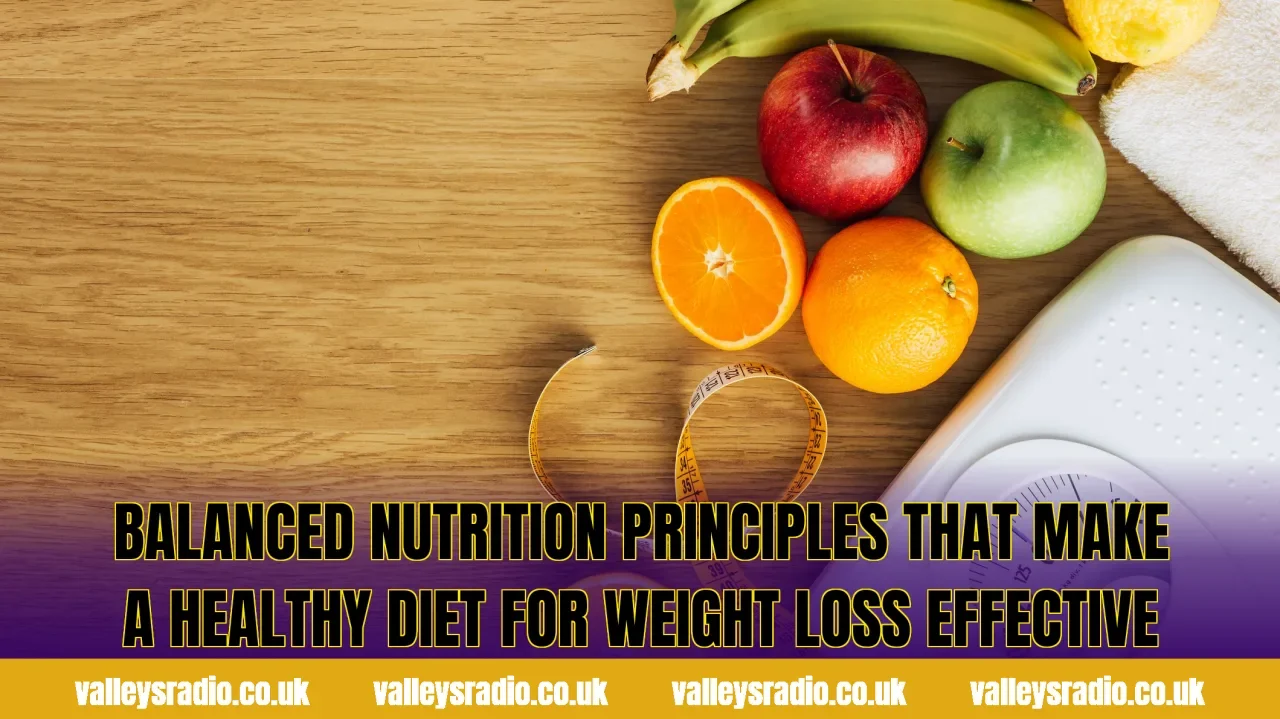
Many people assume that a healthy diet for weight loss simply means eating less. In reality, the quality of what you eat matters just as much as the quantity. A well-structured eating plan focuses on nutrient-dense foods that keep you full, stabilize blood sugar levels, and support your metabolism. When your body receives the right balance of macronutrients and micronutrients, it becomes far more efficient at burning stored fat for energy.
The foundation of any effective healthy diet for weight loss starts with whole, minimally processed foods. These include lean proteins, complex carbohydrates, healthy fats, and an abundance of fiber-rich vegetables. Processed foods, on the other hand, are often engineered to override your natural hunger signals, making it extremely difficult to control portion sizes. By shifting your focus toward real, whole ingredients, you naturally reduce calorie intake without feeling deprived or constantly hungry throughout the day.
Another key factor that many overlook is hydration. Drinking adequate water throughout the day supports digestion, reduces false hunger signals, and helps your body metabolize fat more efficiently. Studies consistently show that people who drink water before meals consume fewer calories overall. Pairing proper hydration with a healthy diet for weight loss creates a powerful synergy that accelerates your progress in a way that feels natural and sustainable over the long term.
The role of protein in weight management
Protein is arguably the most important macronutrient when it comes to weight loss. It increases satiety hormones, reduces appetite-stimulating hormones, and requires more energy to digest compared to fats or carbohydrates. Incorporating adequate protein into your healthy diet for weight loss helps preserve lean muscle mass while your body sheds fat, ensuring that the weight you lose comes from the right sources.
Why fiber is your best ally
Dietary fiber slows digestion, keeps you fuller for longer, and feeds beneficial gut bacteria that influence your overall metabolism. Foods like oats, legumes, leafy greens, and berries are excellent sources. A healthy diet for weight loss that is rich in fiber not only supports weight management but also improves cholesterol levels, blood sugar control, and long-term digestive health.
Understanding healthy fats vs. harmful fats
Not all fats are created equal. Healthy fats from sources like avocados, olive oil, nuts, and fatty fish actually support fat loss by reducing inflammation and improving hormonal balance. Trans fats and excessive saturated fats, however, promote fat storage and increase cardiovascular risk. Knowing the difference is essential when building a healthy diet for weight loss that supports both your body composition and overall wellbeing.
A practical breakdown: foods to eat and avoid on a healthy diet for weight loss

Understanding which foods to prioritize and which to limit is one of the most actionable steps you can take. The table below provides a clear, evidence-based overview of food categories that either support or hinder your weight loss goals. Use this as a practical guide when planning your weekly meals and grocery shopping.
| Category | Foods to include | Foods to limit |
|---|---|---|
| Proteins | Chicken breast, eggs, Greek yogurt, tofu, salmon | Processed meats, fried chicken, sausages |
| Carbohydrates | Brown rice, quinoa, oats, sweet potato, legumes | White bread, sugary cereals, pastries, chips |
| Fats | Avocado, olive oil, walnuts, flaxseeds, chia seeds | Margarine, deep-fried foods, hydrogenated oils |
| Vegetables | Spinach, broccoli, kale, zucchini, bell peppers | Vegetables cooked in heavy cream sauces |
| Fruits | Berries, apples, grapefruit, pears, kiwi | Fruit juices, canned fruit in syrup |
| Beverages | Water, green tea, black coffee, herbal teas | Sodas, energy drinks, sweetened coffees |
Xem thêm: New Weight Loss Trends
How to build and sustain a healthy diet for weight loss long-term

One of the biggest mistakes people make is treating weight loss as a short-term event rather than a long-term lifestyle shift. A truly effective healthy diet for weight loss must be something you can maintain for months and years, not just weeks. This means building eating habits that fit into your daily routine, your cultural preferences, and your personal enjoyment of food. Sustainability is the single most powerful predictor of weight loss success.
Meal planning and preparation are two of the most powerful tools available to anyone serious about maintaining a healthy diet for weight loss. When nutritious meals are ready in advance, you are far less likely to reach for fast food or processed snacks when hunger strikes. Spending just two to three hours per week preparing balanced meals can dramatically reduce impulsive eating decisions that derail progress. Many successful weight loss journeys are built on this simple, repeatable habit rather than complex dietary strategies.
Mindful eating is another underrated component of long-term success. Eating slowly, without distractions, and paying attention to hunger and fullness cues allows your brain to register satiety before you overeat. Research shows that people who practice mindful eating consume significantly fewer calories without feeling restricted. When combined with structured plans and consistent meal timing, this approach supports a healthy diet for weight loss that feels intuitive rather than forced or exhausting.
Setting realistic and measurable goals
Weight loss that lasts begins with expectations that are grounded in reality. Aiming to lose one to two pounds per week is both safe and sustainable, according to most nutrition experts. Setting specific, measurable goals tied to your healthy diet for weight loss gives you clear benchmarks to track progress and stay motivated, especially during periods when the scale does not move as quickly as expected.
Managing emotional eating and food cravings
Stress, boredom, and emotional triggers are among the most common reasons people abandon their dietary plans. Identifying your personal triggers and developing non-food coping strategies, such as journaling, walking, or meditation, is essential. A healthy diet for weight loss must address the psychological dimension of eating, not just the nutritional one, to be truly effective and lasting over time.
The importance of sleep and stress on weight loss
Poor sleep elevates cortisol and ghrelin levels, two hormones that directly increase hunger and fat storage. Chronic stress has a similar effect, often leading to cravings for high-calorie comfort foods. Supporting your healthy diet for weight loss with seven to nine hours of quality sleep and active stress management creates the hormonal environment your body needs to shed weight efficiently and consistently.
Conclusion
Achieving lasting results with a healthy diet for weight loss requires consistency, education, and the right support system. By focusing on nutrient-dense whole foods, managing hunger with protein and fiber, and building sustainable habits around meal planning and mindful eating, you set yourself up for real, long-term transformation. If you are looking for a trusted, science-backed solution to accelerate your journey, explore Herbalife Weight Loss programs designed to complement your efforts and help you reach your goals faster.